Diwali, also known as Deepavali, is one of the most important festivals celebrated in India. Known as the Festival of Lights, it brings families together through prayers, traditional decorations, delicious sweets, and the lighting of diyas.
Deepavali is more than a celebration. It represents the victory of good over evil, light over darkness, and knowledge over ignorance. Its stories and traditions remind people to welcome positivity, practise kindness, and begin new chapters with hope.
What Is Deepavali? Meaning and Significance
The word Deepavali comes from Sanskrit, where deepa means lamp and avali means a row. Together, the word means a row of lights.
The festival is generally celebrated in October or November, according to the Hindu calendar. Families decorate their homes with diyas, rangoli, flowers, and lights. Many also perform prayers to seek blessings for peace, prosperity, and happiness.
Deepavali is celebrated differently across India, with each region following its own traditions and stories.
The History and Legends of Diwali
Diwali has several historical and religious associations rather than one single origin story. Some of the most popular legends explain the festival’s importance in Hindu traditions.
1. Lord Rama’s Return to Ayodhya
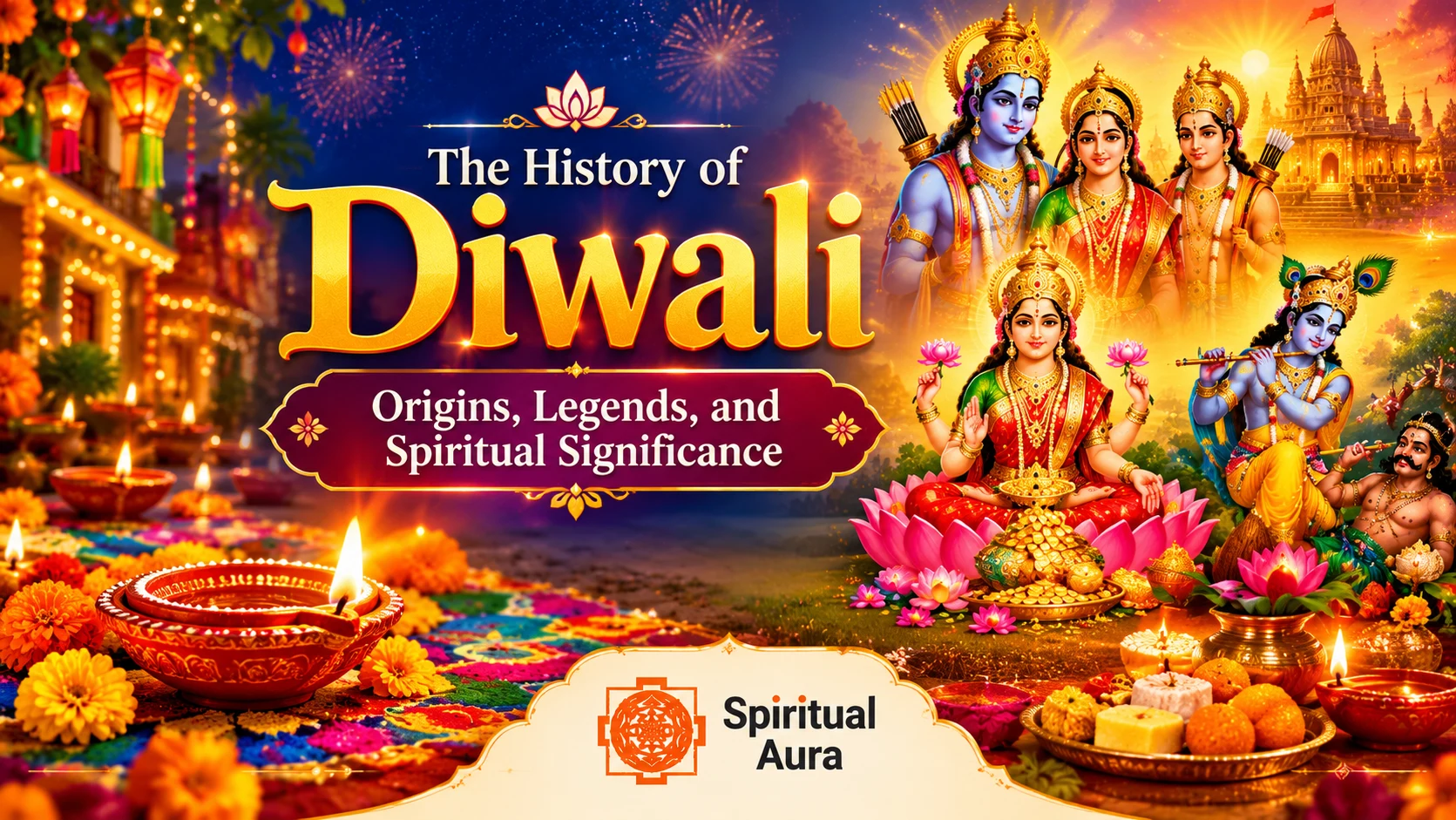
According to the Ramayana, Lord Rama returned to Ayodhya with Goddess Sita and Lakshmana after fourteen years of exile and defeating Ravana. The people of Ayodhya are traditionally said to have welcomed them by lighting rows of oil lamps.
This story is one of the most widely known explanations for lighting diyas during Deepavali.
Spiritual significance: It reminds us that truth, courage, and righteousness can overcome evil.
2. Lord Krishna’s Victory Over Narakasura
Another popular legend tells how Lord Krishna defeated the demon Narakasura and ended his cruelty. This victory is associated with Naraka Chaturdashi, which is observed before the main Deepavali celebrations in many regions.
Spiritual significance: The story encourages us to overcome negative qualities such as pride, anger, and selfishness.
3. Goddess Lakshmi and Prosperity
Goddess Lakshmi is associated with wealth, abundance, and well-being. Many Hindu families worship her during Deepavali to express gratitude and pray for prosperity and harmony.
Homes are cleaned and decorated, and families prepare sweets and traditional offerings for Lakshmi Puja.
Spiritual significance: The festival reminds us to appreciate what we have, use our resources responsibly, and share with others.
Why Do We Light Diyas During Deepavali?
Lighting diyas is one of the most meaningful Deepavali traditions. The lamps symbolise hope, wisdom, and the victory of light over darkness.
Common meanings associated with lighting diyas include:
- Light over darkness: Hope during difficult times.
- Knowledge over ignorance: The importance of wisdom and learning.
- Good over evil: The value of choosing what is right.
- Peace and positivity: Creating a calm and welcoming environment.
Lighting a diya during prayer can also be a moment to reflect on personal goals and the positive changes we wish to make in our lives.
Deepavali Puja Rituals Followed at Home
Deepavali rituals differ across regions and families, but many households follow these common practices.
- Clean and decorate the home: Prepare the house with flowers, rangoli, and festive lights.
- Arrange the puja space: Place the deities, flowers, diyas, and traditional offerings according to family customs.
- Perform Lakshmi-Ganesha Puja: Many families pray to Goddess Lakshmi for prosperity and Lord Ganesha for auspicious beginnings.
- Light diyas: Place lamps safely around the home and prayer area.
- Offer sweets and prayers: Follow family traditions and share festive food with loved ones.
- Spend time with family: Exchange gifts, visit relatives, and share the happiness of the festival.
These rituals help families stay connected to their spiritual beliefs and cultural traditions.
How Is Deepavali Celebrated Across India?
Deepavali celebrations vary from region to region.
- North India: Many families celebrate Lord Rama’s return to Ayodhya with diyas, decorations, and Lakshmi Puja.
- South India: Naraka Chaturdashi and Lord Krishna’s victory over Narakasura are important in many communities.
- Eastern India: Kali Puja is observed in parts of the region during the same festival period.
- Western India: Prosperity rituals, business traditions, and regional customs form an important part of the celebrations.
Deepavali also has significance in Jainism and Sikhism, where the festival period is associated with different religious and historical events.
The Spiritual Significance of Deepavali
Beyond its celebrations, Deepavali encourages people to reflect on their thoughts, actions, and relationships.
Its spiritual messages include:
- Practising kindness, patience, and compassion.
- Letting go of negative thoughts and habits.
- Expressing gratitude for life’s blessings.
- Sharing food and helping those in need.
- Welcoming new beginnings with hope and positivity.
These values make Deepavali meaningful beyond the festival itself.
Conclusion
The history of Deepavali brings together ancient legends, religious traditions, and cultural celebrations. Whether people remember Lord Rama’s return to Ayodhya, Lord Krishna’s victory over Narakasura, or worship Goddess Lakshmi, the festival carries a message of hope and renewal.
As families light diyas and offer prayers, they celebrate the triumph of light over darkness and good over evil. By practising kindness, gratitude, and generosity, we can carry the true spirit of Deepavali into our everyday lives.
May the light of Diwali bring peace, happiness, and positivity to every home.